What is GS1 Sunrise 2027?
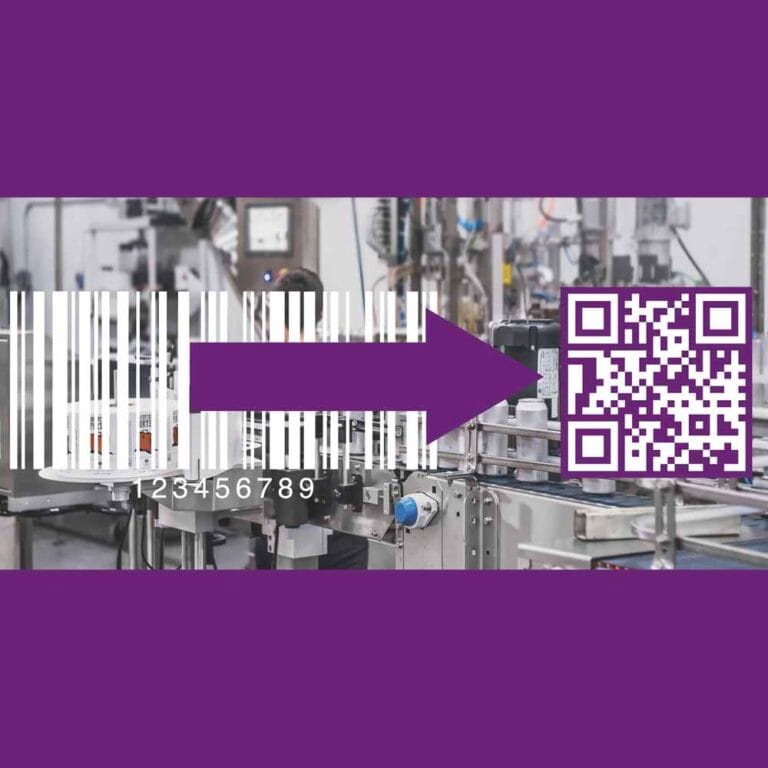
It is the global initiative through which, by 2027, traditional 1D codes (EAN/UPC) will give way to new, smarter 2D codes, such as QR. These can store much more information and enable advanced traceability.
The move to 2D codes is driven by two major forces: consumer expectations and supply chain complexity.

Today’s consumers want to know more about the products they buy, from sustainability practices to allergen information and the place of manufacture. On the other hand, companies need faster and more detailed data to manage product returns, reduce waste and support automation.
1D codes simply can no longer keep up. Most 1D codes contain only the Global Trade Item Number (GTIN), which limits the information available at the point of sale or along the supply chain.
2D codes, especially when powered by GS1 Digital Link, can include the same GTIN, but also much more additional information, and can link directly to the brand’s digital content.
Why does this change matter?
This is not a technology of the distant future. It is already being tested in 48 countries, representing about 88% of global GDP. It is not just a pilot program: it is a large-scale implementation under way.
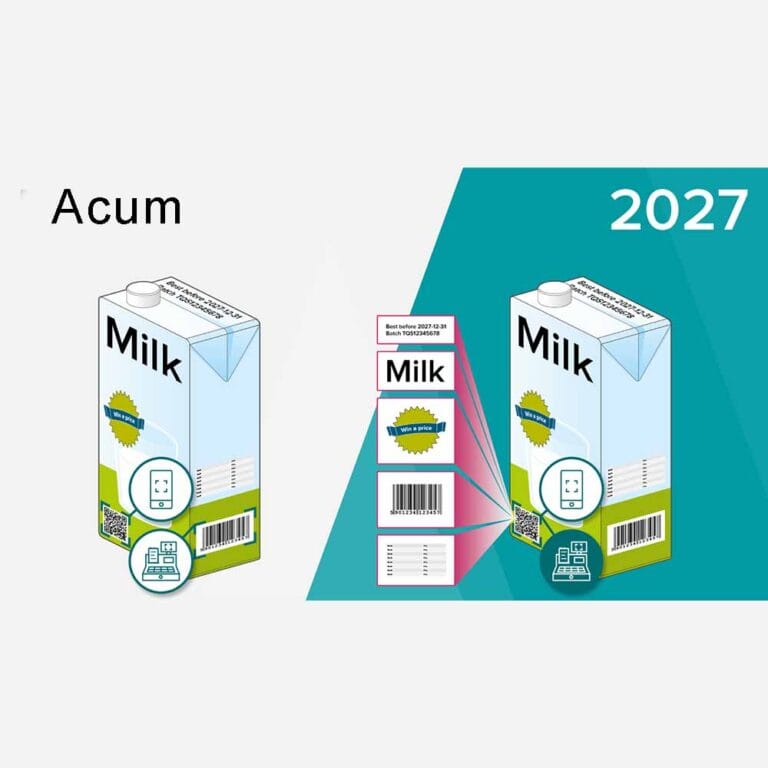
1D code: identifier, product, price only

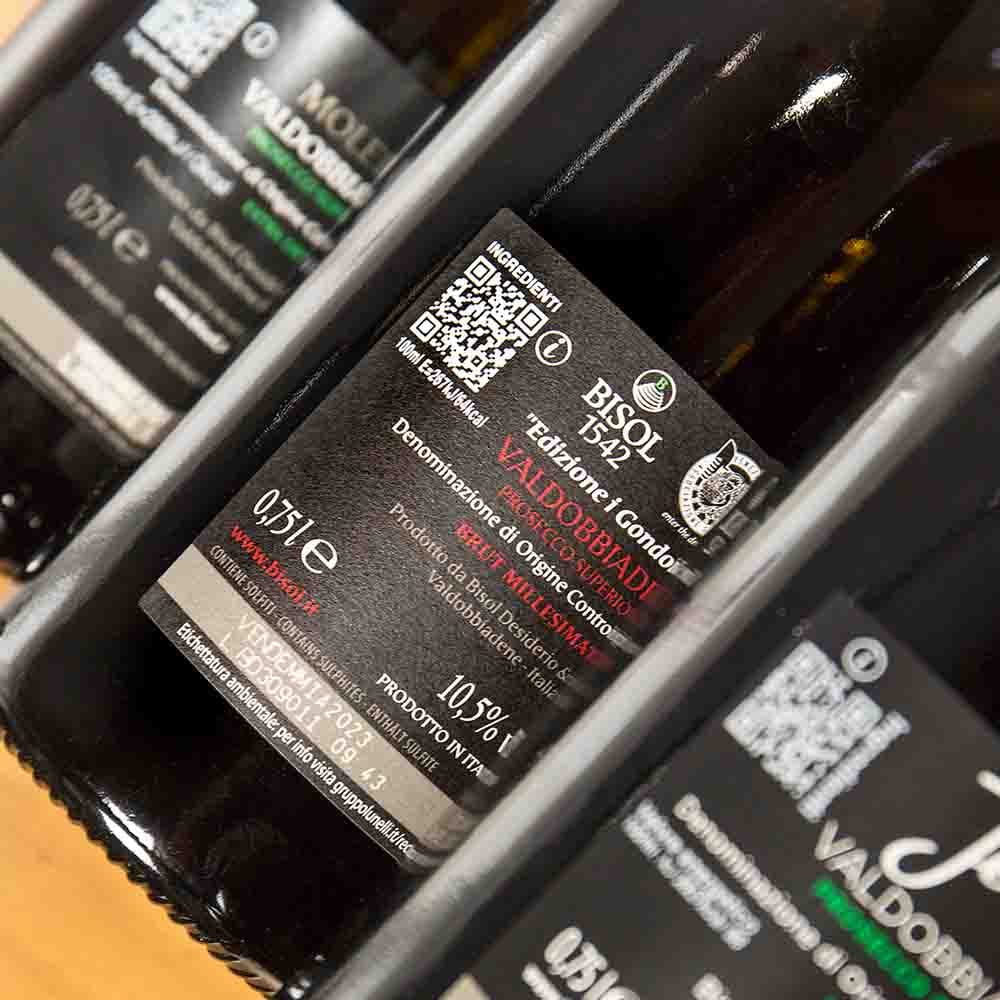
2D code: includes variable data: serial number, batch, expiry date, links, product videos, promotions, nutrition information and more. It is like the difference between a telegram and a smartphone.
What can 2D codes improve, especially those with GS1 Digital Link?
- Inventory management: faster and more accurate product tracking.
- Product traceability: clear visibility of serial numbers, batches and expiry dates.
- Consumer engagement: scan the package and access recipes, promotions or sustainability information.
- Sustainability: optimized packaging by combining functions (POS + marketing) in a single code.
- Global interoperability: the standards for 2D codes are recognized internationally.
Consumers are demanding this transparency. With a single scan, they can find essential information, from ingredients and warnings to origin and certifications, directly on their phone.
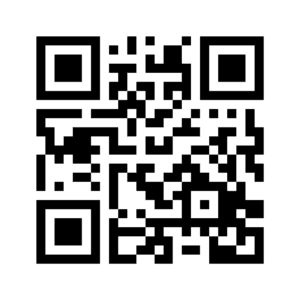
SCAN the code for a live demo:

Who is affected by GS1 Sunrise 2027?
Manufacturers and retailers: Brands that launch new products, redesign their packaging or sell in retail should start testing and implementing 2D codes right now. All systems that scan products at the point of sale (POS), whether in physical stores, curbside pickup or deliveries, must be ready to read 2D codes by 2027.
Consumers: Although they are not directly involved in operational processes, consumers will begin to notice more and more dynamic codes on packaging, which will give them greater transparency and direct interaction with brands.
Will 1D codes disappear completely?
Don’t worry: 1D codes will not disappear overnight. In fact, GS1 recommends a dual approach during the transition period. This means that products will carry both 1D and 2D codes until the ecosystem can fully support the reading of 2D codes.
The GTIN used in the 1D code can be reused in the 2D code, so no new product numbers are needed. Later, when the ecosystem is ready, brands will be able to decide to show only the 2D code on their packaging.
What do retailers and brands need to do?
By 2027, marking systems, POS and reading infrastructure must be ready to mark and scan all three types of codes: 1D, QR and DataMatrix. How the three types of codes differ and which scanner reads them all is explained in the ADC Store guide to barcode types.
Sunrise 2027 marks the beginning of a new era in barcode technology. Whether you are a global brand or a local business, preparing early will ensure a smoother transition and long-term success.
How can you prepare effectively for implementing the new GS1 codes?
- Start now: plan the move to 2D codes, do not wait until the last moment.
- As a manufacturer, can your marking equipment print the new QR codes?
- Infrastructure must keep pace: ensure the compatibility of POS systems, software and hardware.
- Define a data strategy: what information you include, how you maintain its quality, who is responsible for updates.
- Work with your supply chain partners: everyone must adhere to the same GS1 standards.
Benefits of Markem-Imaje solutions for coding with GS1 Digital Link
- Integration and full data control: insert, manage and verify the data in GS1 Digital Link codes, from production to the end consumer.
- In-line printing and verification: print GS1-compliant QR codes with high contrast, at high speed and even on 3D surfaces.
- Optimized operations: increase production efficiency, enable late-stage customization, reduce the number of SKUs and optimize packaging.
- Traceability and brand protection: a fully integrated solution, from production to delivery, across the entire supply chain.
- Connecting the brand with consumers: provide quick access to information, build loyalty and improve the user experience.
- Higher conversions and sales: launch personalized campaigns and gain valuable insights into consumer behavior.
Best practices: when to use GS1 Digital Link
Inventory and packaging
- Improve inventory accuracy
- Get information on availability and location
- Optimize in-store processes
- Reduce waste and ensure product freshness
- Enable late-stage customization and optimize SKUs
- Turn packaging into a campaign and engagement channel
- Offer consumers an improved experience
Traceability and safety
- Ensure traceability and visibility in the supply chain
- Enable product authentication and fight counterfeiting
- Increase consumer trust and transparency on food safety
- Share information on origin, nutritional value and ingredient sourcing
- Prevent the sale of expired or recalled products at the point of sale
- Meet regulatory compliance requirements
Engagement and circular economy
- Interact directly with consumers
- Share brand information, promote upselling, e-commerce offers, recipes and other benefits
- Promote and support the circular economy with recycling information
- Share farm-to-fork stories and tips for reducing waste
GS1 Sunrise 2027 is not just a technology update: it is the chance to align with the pace of the market and to lead in 2027.
How can Imark Sistem help you?
At Imark Sistem, we fully support you in the transition to QR codes:
- QR marking equipment (inkjet, TTO, laser, Print & Apply) integrated with CoLOS® software and vision/inspection solutions.
- Solutions compliant with the GS1 DataMatrix and QR with Digital Link standards.
- Certified consumables, service, maintenance, training and dedicated technical support.
The transformation starts now: choose the marking of the future with Imark Sistem.
The Imark Sistem team is available for free technical advice on the new GS1 Sunrise codes