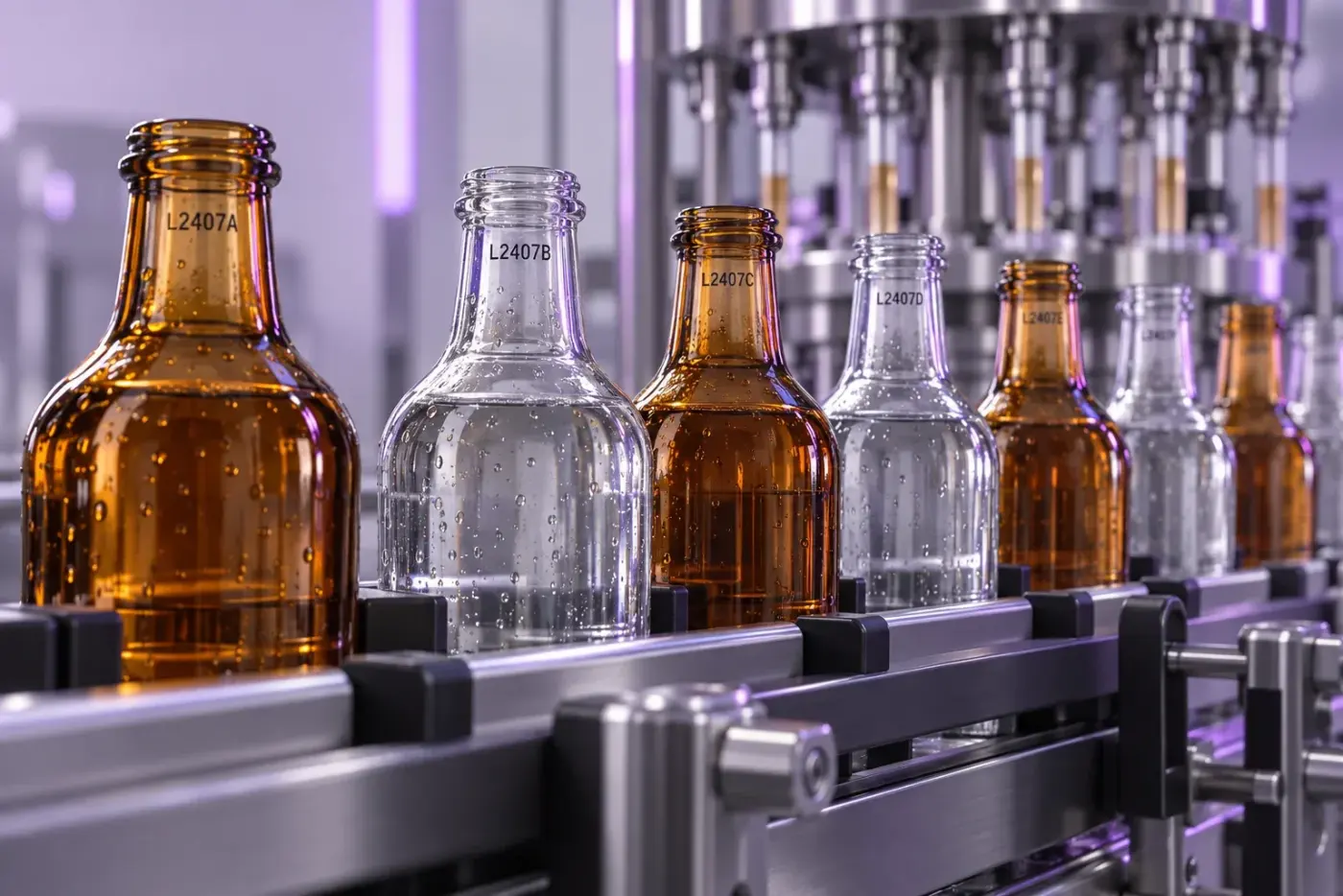
3 complementary technologies
Dot peen, scribing and laser, matched to material, geometry and mark durability requirements.
Cookies on imarke.ro
We use cookies the site and its forms need to work. Only with your consent do we use Google Analytics, to see which pages are visited, and Google Ads, to measure which ads bring quote requests. Cookie policy · Privacy
Marcare & trasabilitate
Etichetare & ambalare
Siguranță și conformitate
Transport & manipulare

SIC Marking technology · Industrial identification and traceability
Durable identification for every component. Traceability for the entire process.
In industry, a component must stay identifiable well beyond the moment of manufacture. A serial number, a Data Matrix code or a VIN identifier can be essential for quality control, operation tracking, maintenance and managing the full product life cycle.
SIC Marking solutions mark parts directly by dot peen, mechanical scribing or laser, depending on material, geometry and the application. From portable systems to standalone stations and heads integrated into robotic lines, Imark Sistem builds complete marking, reading, verification and traceability solutions.

Solutions built for industry
Dot peen, scribing and laser, matched to material, geometry and mark durability requirements.
Portable systems, standalone workstations and marking heads integrated into automated processes.
Text, serials, Data Matrix codes, VIN identifiers and other information printed directly on compatible components.
Solutions that can combine permanent marking with automatic reading, code verification and production data management.
International technology. Local industrial expertise.
The manufacturer’s expertise covers three main technologies — dot peen, scribing and laser — used in industries such as automotive, aerospace, metalworking, energy, transport and machine building. The range includes portable equipment, fixed stations, heads for integration into automated lines and custom solutions for applications that require precise, repeatable identification.
The Imark Sistem approach
We analyse the material and shape of the part, the production volume, the code size, the required durability, the customer’s standards and the automation infrastructure. On this basis we configure a solution that can include marking, automatic reading, quality verification and transmitting the information to the company’s software systems.
The goal is not just a durable mark, but a reliable, controllable identification process adapted to production requirements.
Identification across the life cycle
Permanent identifiers link components to inspection results, raw-material batches and manufacturing operations.
Each part can be tracked between workstations, machines and process stages.
The information supports component identification between manufacturers, suppliers, integrators and end users.
The mark allows a component to be recognised during inspection, repair or replacement.
Individual or batch identification helps locate products targeted by investigations and corrective actions.
Codes and identifiers can connect physical parts with the records held in the company’s IT systems.
Choosing the right technology
A special stylus makes a series of controlled indentations, forming characters, symbols and codes. Durable mechanical marks, adjustable depth, flexibility for different parts and manageable operating costs.
Materials: steel, aluminium, cast iron, certain alloys and compatible plastics · Applications: serials, batches, Data Matrix codes, bulky parts
A carbide or diamond stylus traces a continuous groove on the surface. Deep marks, continuous lines, lower noise than many dot peen applications and good legibility.
Materials: steels, robust metal components, structures · Applications: VIN identifiers, industrial nameplates, structural components
A focused beam locally modifies the surface through mechanisms such as ablation, engraving or colour change. High precision, compact codes, non-contact process and integration into automated stations.
Materials: metals, treated surfaces and certain technical plastics, after verification · Applications: compact Data Matrix codes, serials, complex marks
The Imark Sistem recommendation
SIC Marking | Dot Peen Technology
Permanent mechanical marking
Each impact creates a dot. The controlled arrangement of dots forms text, codes and symbols directly in the material, with no printing consumables.
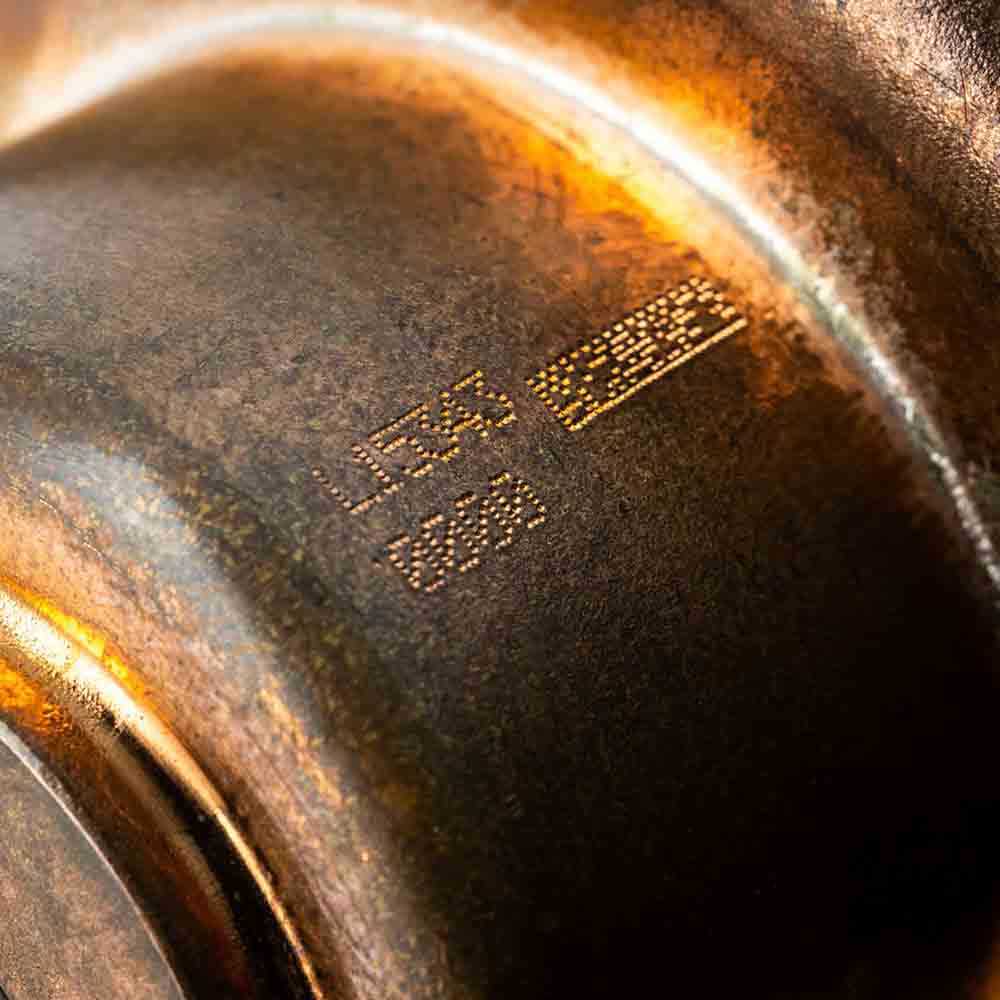
Unlike ink printing, dot peen locally modifies the surface of the part, for identifiers that stay legible under the validated operating conditions.
Can be used on flat, cylindrical or irregular surfaces, depending on positioning and fixturing options.
Serial numbers, batch identifiers, symbols, logos and Data Matrix codes, with the appropriate parameters.
Portable equipment brings the marking system to the part — an advantage for structures, heavy components and bulky assemblies.
The process uses no ink or ribbon. The marking styli are, however, wear components that need checking and replacement when conditions require it.
SIC Marking systems use electromagnetic control for precise impact adjustment; pneumatic solutions exist for specific speed or force requirements.
Configurations matched to the way you work
The marking moves to the part, not the other way around. For heavy or bulky components, with cable power or standalone battery versions. Families: E-MARK, E-TOUCH, P63 and P123. Applications: structures, chassis, assemblies, maintenance.
Repeatability and control in a dedicated workstation, with fixtures and marking recipes. Applications: nameplates, mechanical components, small and medium parts, production series.
Automatic identification, synchronised with the process. Connect to PLCs, handling systems and robotic stations. Applications: automotive, CNC components, robotic cells, repetitive production.
For applications a standard station cannot solve: special fixtures, automatic positioning, multiple axes or integrated verification, developed from standard equipment.
Portable · electromagnetic
Portable dot peen unit for marking parts directly at the point of manufacture, assembly or maintenance, with digital message control.
Download the E-TOUCH datasheet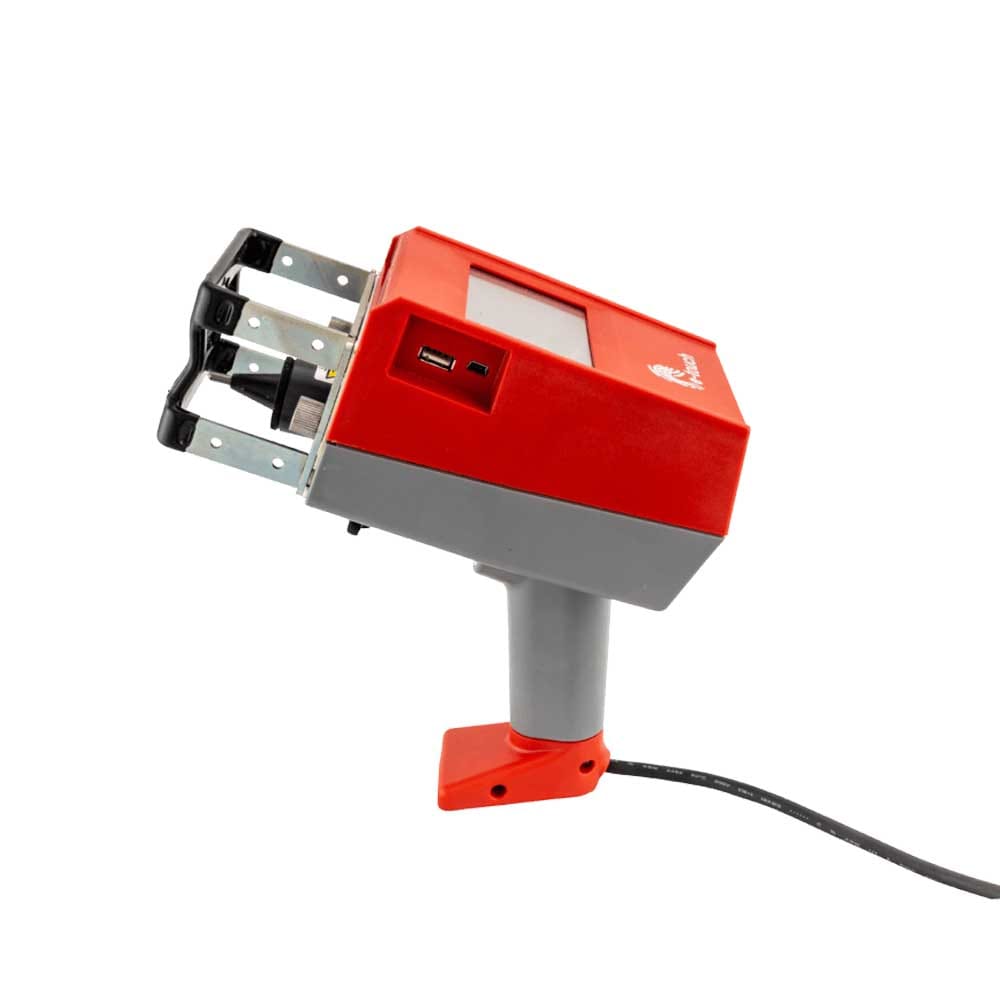
Portable
Portable dot peen unit for identifying industrial components, with versions suited to different applications.
Download the E-MARK datasheet
Portable / integrable
Dot peen marking head for a compact marking field, usable in portable and integrated configurations.
Download the P63 datasheet
Portable / integrable
Dot peen marking head with a wider marking field than the P63, for larger parts and nameplates.
Download the P123 datasheet
Column station
Fixed column dot peen station for repeatable marking of components in a dedicated workstation.
Download the e10 C153 datasheet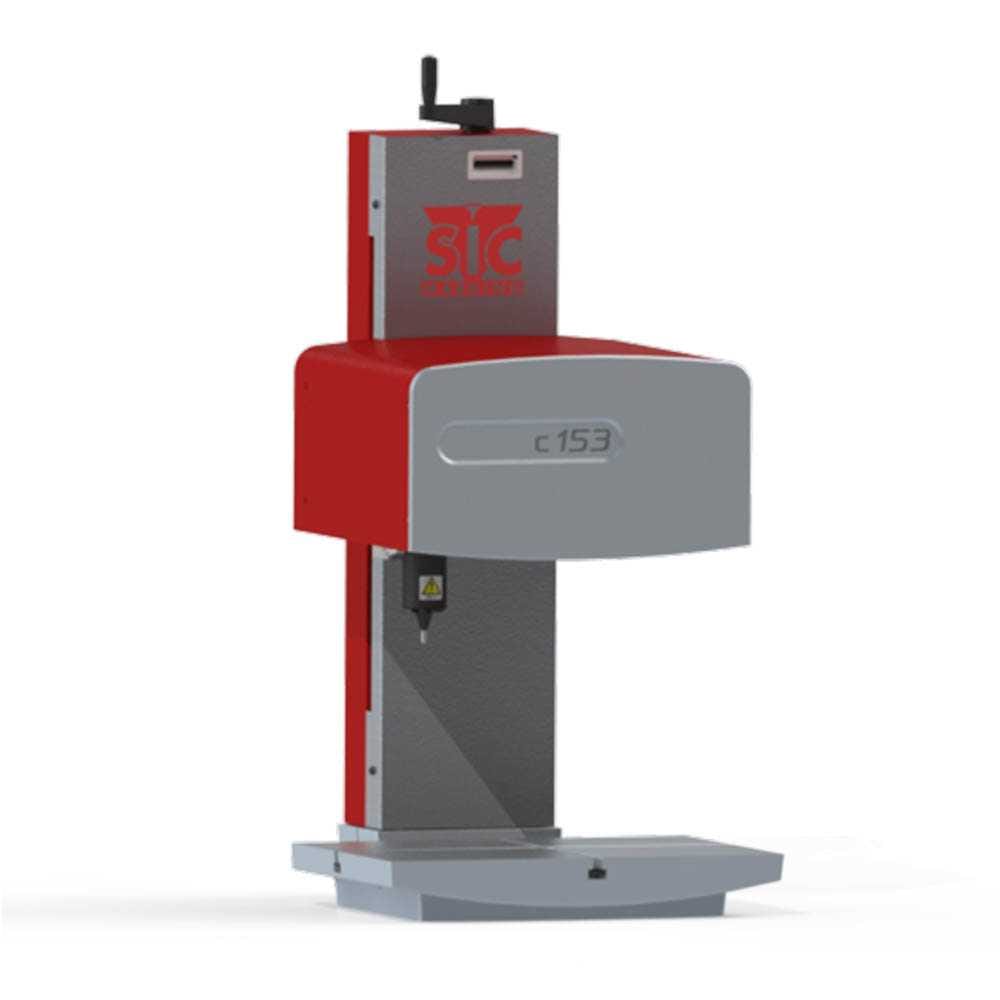
Integrated in line
Dot peen head for integration into automated processes, connected to control and handling systems.
Download the i124 datasheet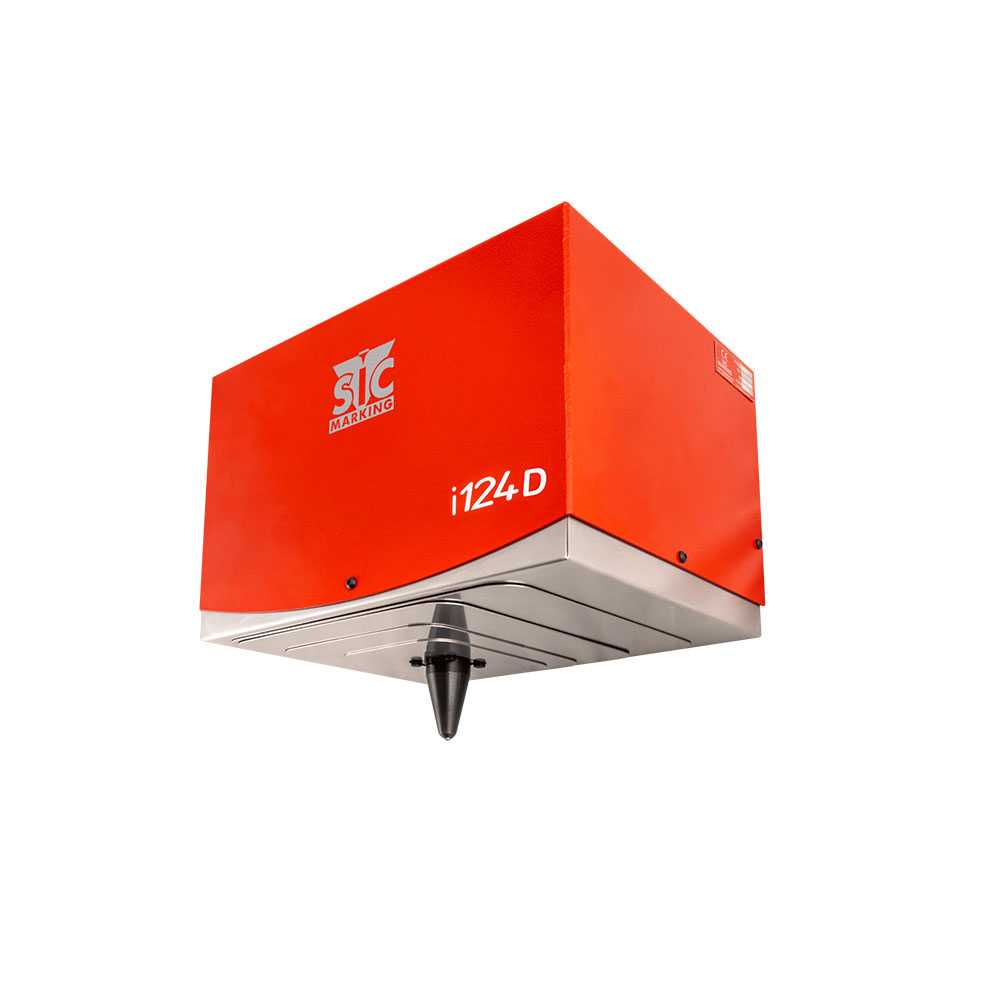
SIC Marking | Scribe Marking Technology
Continuous lines, low noise
An important advantage is the low noise level compared with repeated-impact marking, especially on large or hollow metal parts.

The stylus creates a controlled groove that can offer high mark durability under validated conditions.
Continuous tracing removes the repeated impacts of dot peen, suited to applications where operational noise is a concern.
The mark appearance eases visual reading and OCR, with the right font and geometry.
Scribing heads can be mounted in fixed stations, automated installations or robotic systems, depending on the project.
Frequently used for steels, structures and other metal components that allow mechanical tracing.
Recommended for VIN numbers, industrial nameplates and structural components where deep engraving is required.
Models and configurations — to confirm
SIC Marking | Industrial Laser Marking
Alphanumeric identifiers, logos and Data Matrix codes sized to the application.
No stylus pressed onto the part — an advantage for sensitive components and geometries.
In compatible configurations, the mark can be correlated with automatic code verification and production data.
Equipment can be integrated into dedicated workstations or robotic-handling processes.
No conventional consumables; the installation needs safety measures, checks and, depending on material, emission extraction and filtering.
The safety class of the complete system depends on the equipment and protection configuration; enclosed stations and purpose-built portable solutions can provide protection appropriate to the intended use.
Solutions for direct laser marking on parts
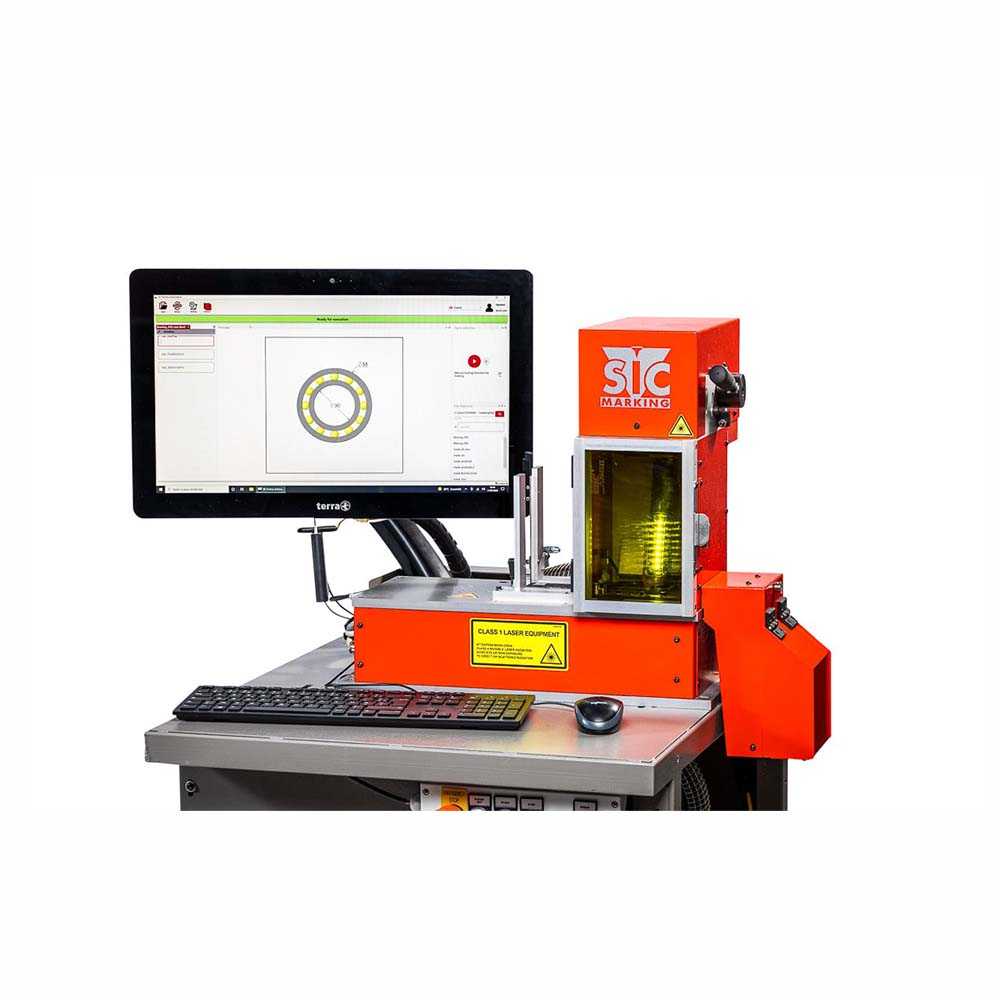
Compact station
A solution for small and medium components, with controlled positioning, intuitive operation and integrated protection: serials, nameplates, Data Matrix codes and other industrial information.
Download the L-BOX datasheet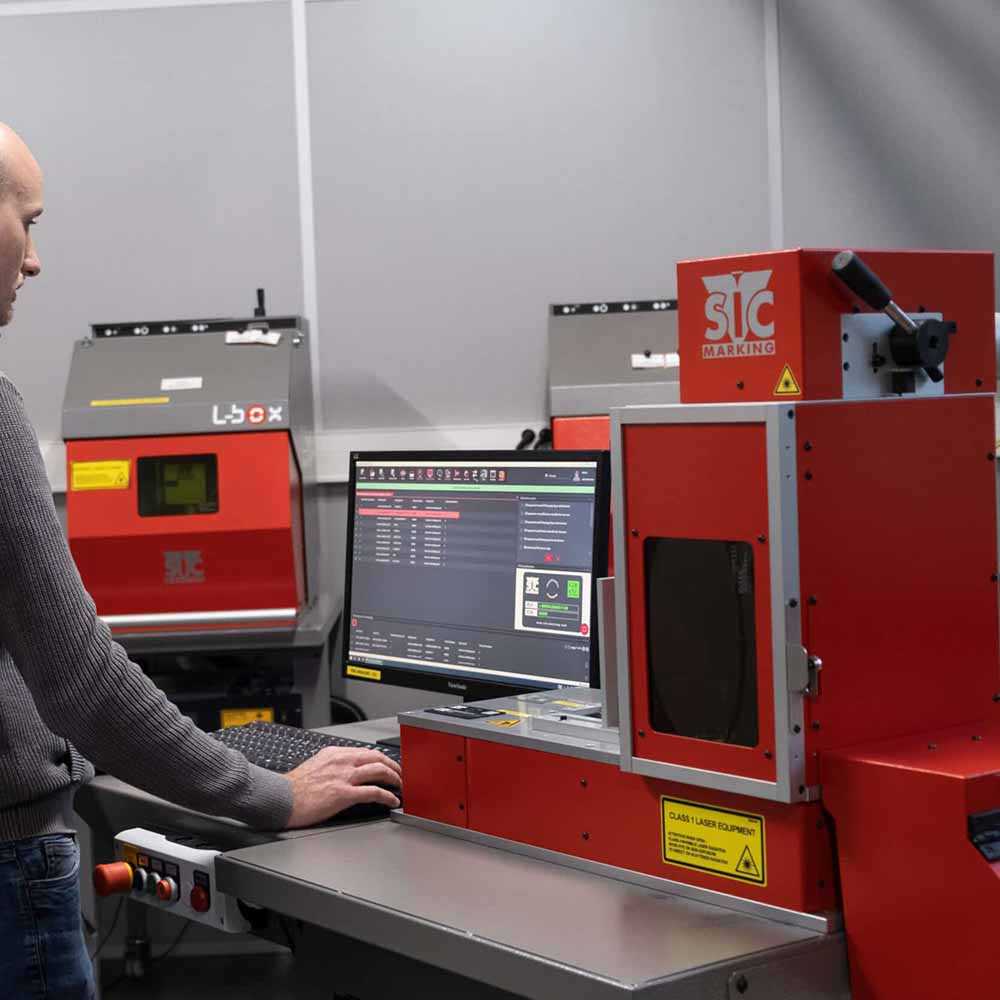
Flexible station
A generous work area and integration with fixtures, axes and auxiliary systems, for handling several component variants in the same station.
Download the XL-BOX datasheet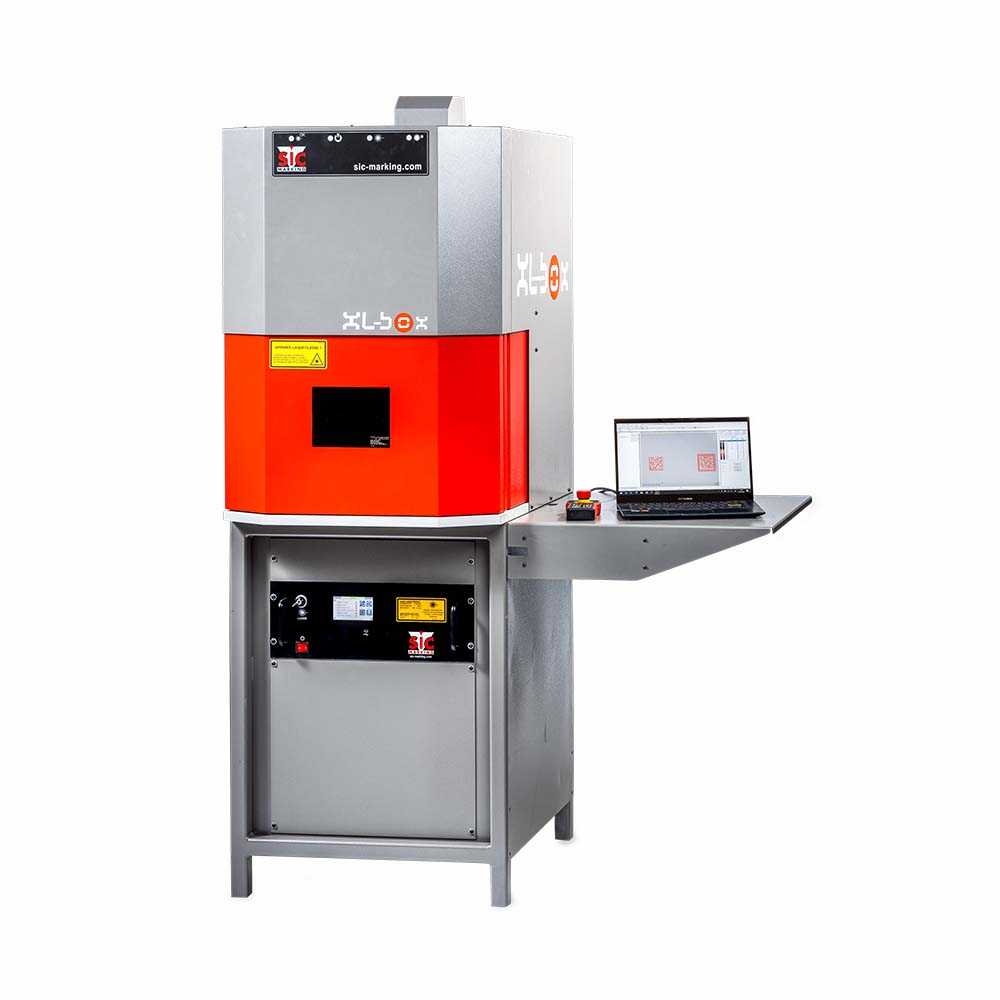
Bulky components
For large parts or applications needing an extended work area, configurable to the part geometry and the handling process.
Download the XXL-BOX datasheet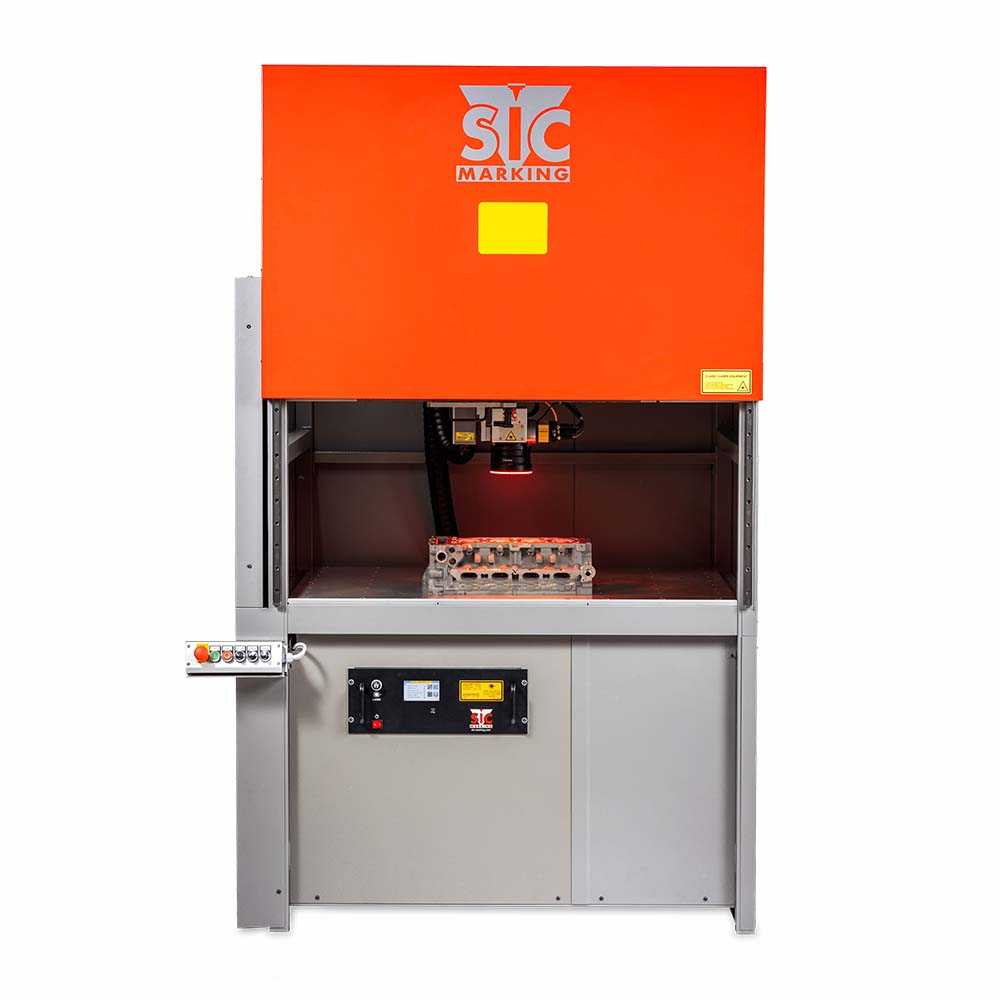
Identification nameplates
A solution dedicated to repetitive marking of industrial nameplates, with automatic feeding and unloading, for high nameplate volumes.
Portable laser
A portable laser solution for bulky or hard-to-reach parts, with a purpose-built protection system: text, logos and 1D/2D codes on compatible materials.
Download the L-MOOV datasheet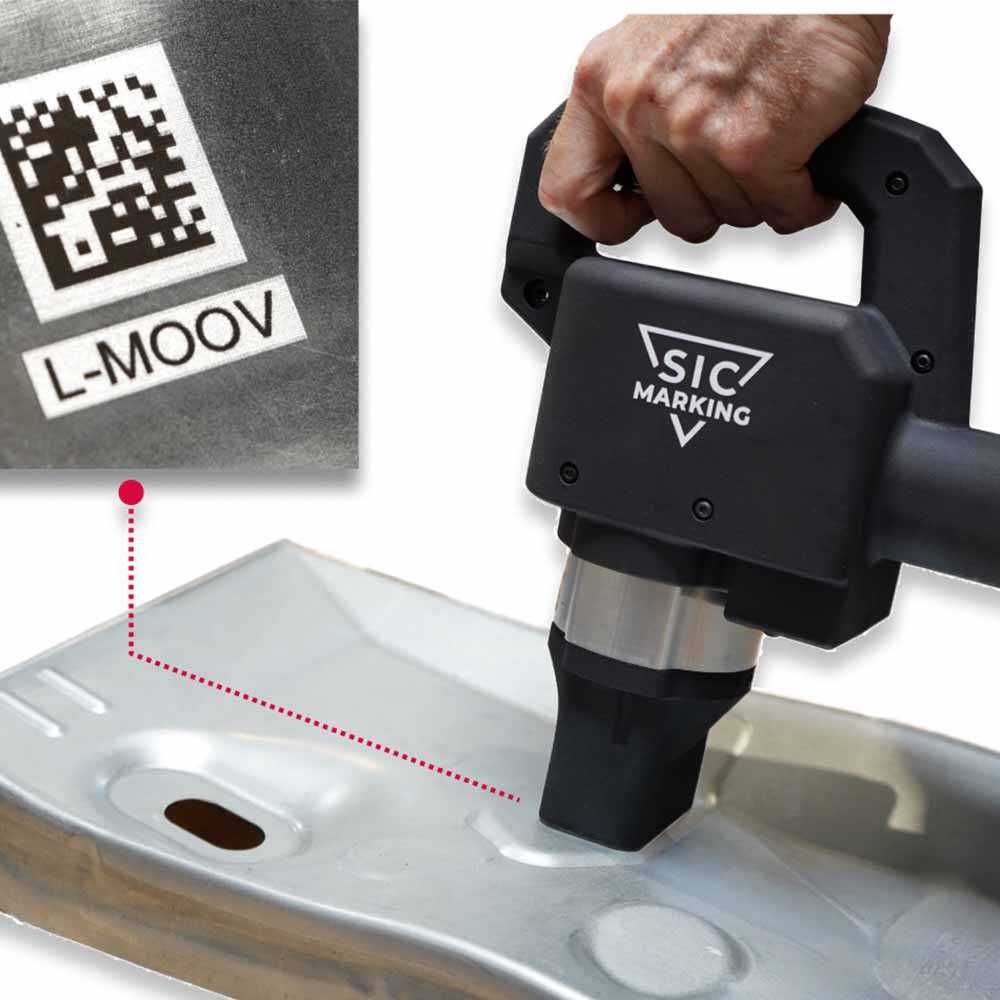
Integrated in line
For direct integration on the production line: connection to positioning, control and verification systems, in robotic cells and repetitive processes.
Download the integrated laser datasheet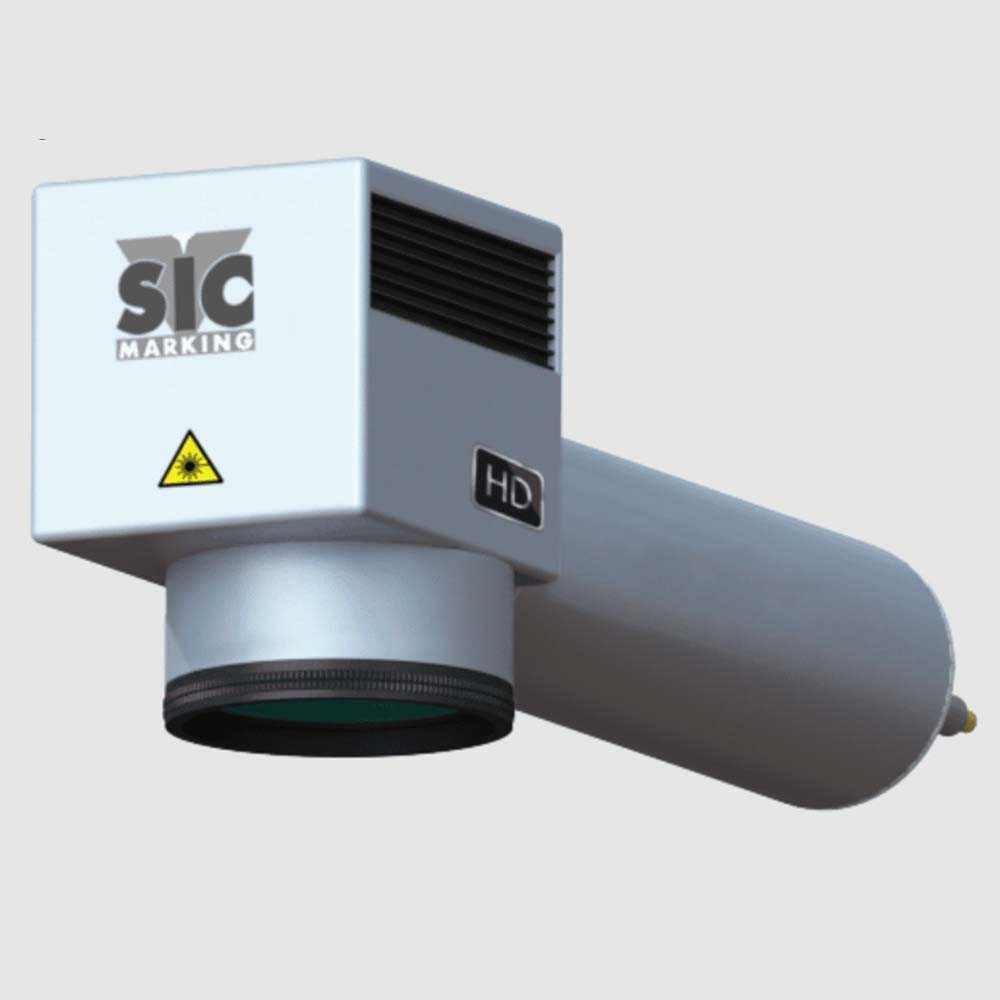
A solution matched to the way you work
Portable dot peen or laser equipment — marking is done at the part location, reducing transport and handling.
Fixed marking stations — parts are positioned in a dedicated station and messages change by reference.
Integrated marking heads — marking is synchronised with the machine cycle and connected to control and identification systems.
Scribing or dot peen, depending on material, geometry and depth requirements.
Laser or precision dot peen, with validation of reading and code quality.
Equipment with positioning devices and compatible axes, selected for the part geometry.
Direct marking on industrial materials
Mechanical components, chassis, machined parts, structures and nameplates. Dot peen, scribing and laser, with parameters chosen by hardness, thickness and finish.
Housings, automotive components, machine parts, extrusions and structural elements. Mechanical or laser solutions, by the contrast and depth needed.
Cast parts, engine components, housings and assemblies, with evaluation of the raw or machined surface and fixturing.
Technical components with high identification requirements; the technology is chosen considering the properties and any surface-modification restrictions.
Housings, identification elements and polymer subassemblies; compatibility depends on composition, rigidity, thickness and additives.
Marking can be done before or after surface treatment, depending on requirements for durability, contrast and coating integrity.
Metal identification plates, serials, codes and technical information for products and equipment.
Components and contacts frequently used in electrical applications; marking and parameters are validated on the real material, depending on finish.
Expertise for industries with rigorous requirements
Automotive uses part identification to link components with machining, assembly and quality control. Marking can be applied to engine blocks, housings, transmission components, chassis and other compatible elements.
Serial numbers, batches and references linked to production information.
2D codes with verification systems for each component.
VIN marking on structures and components, per the manufacturer’s requirements.
Aerospace components can require precise marks and rigorous documentation to support the manufacturing and inspection history. The technology is selected by material, geometry and the restrictions set for the component.
Part numbers and serials for component-level traceability.
2D codes in configurations and conditions approved for the part.
Technology is applied only in configurations validated for the component.
Workshops and factories producing metal components need repeatable identification to organise production and link parts to orders or operations. Marking can be done in fixed stations, on dedicated machines or with portable systems.
Identification plates, serials, internal codes and batches.
Marking recipes for repeatable, controllable processes.
Fixed or portable stations, by part size and access.
In energy applications, equipment and components can be exposed to difficult conditions. Identification must be evaluated against the material, durability requirements and applicable technical standards.
Scribing or dot peen for robust components.
The mark is validated for the intended operating conditions.
Metal bodies, pipes, structures and industrial nameplates.
Metal structures, transport components and heavy machinery frequently require marking parts that cannot easily be moved to a fixed station. Portable systems allow coding directly in the production or assembly area.
Marking moves to the component, directly in the work area.
Structural components and technical nameplates.
Solutions adapted to bulky parts.
Makers of electrical and electronic components can require small, high-precision identifiers. For such applications, laser marking can be a relevant solution, with verification of the effect on the material and component function.
Small identifiers with high precision.
Non-contact process for sensitive components.
Evaluating the impact on material and function.
From a mark to controlled information
A serial, batch or unique code is created or taken from the production system.
The identifier is applied to the component surface by the selected technology.
An optical system or industrial reader captures the printed information.
Depending on requirements, legibility, code structure and data consistency are checked.
The data is transmitted to or associated with the systems used to control and track production.
The code can be read in later assembly, control, logistics and maintenance stages.
Tracking the part between machines, stations and stages; data can be linked to the operations performed, inspection results and production batches.
Identifying components between manufacturers, suppliers, integrators and end users, correlating information and supporting non-conformity management.
Automatic identification and quality control
Optical devices selected by symbology, code size, contrast, surface reflections and reading distance.
Codes marked directly on parts often need special lighting and quality evaluation; for relevant applications the ISO/IEC 29158:2025 methodology can be used, with appropriate equipment and configuration.
In some configurations the reading system can be mounted with the marking equipment, to check the information before the part advances.
Reading and verification can provide information to control and production-management systems, for recording or flagging non-conformities.
An important note
Direct Part Marking | 2D codes
A code designed to be read
An effective Data Matrix code is an identifier designed to be readable and usable in the real conditions of the industrial process.
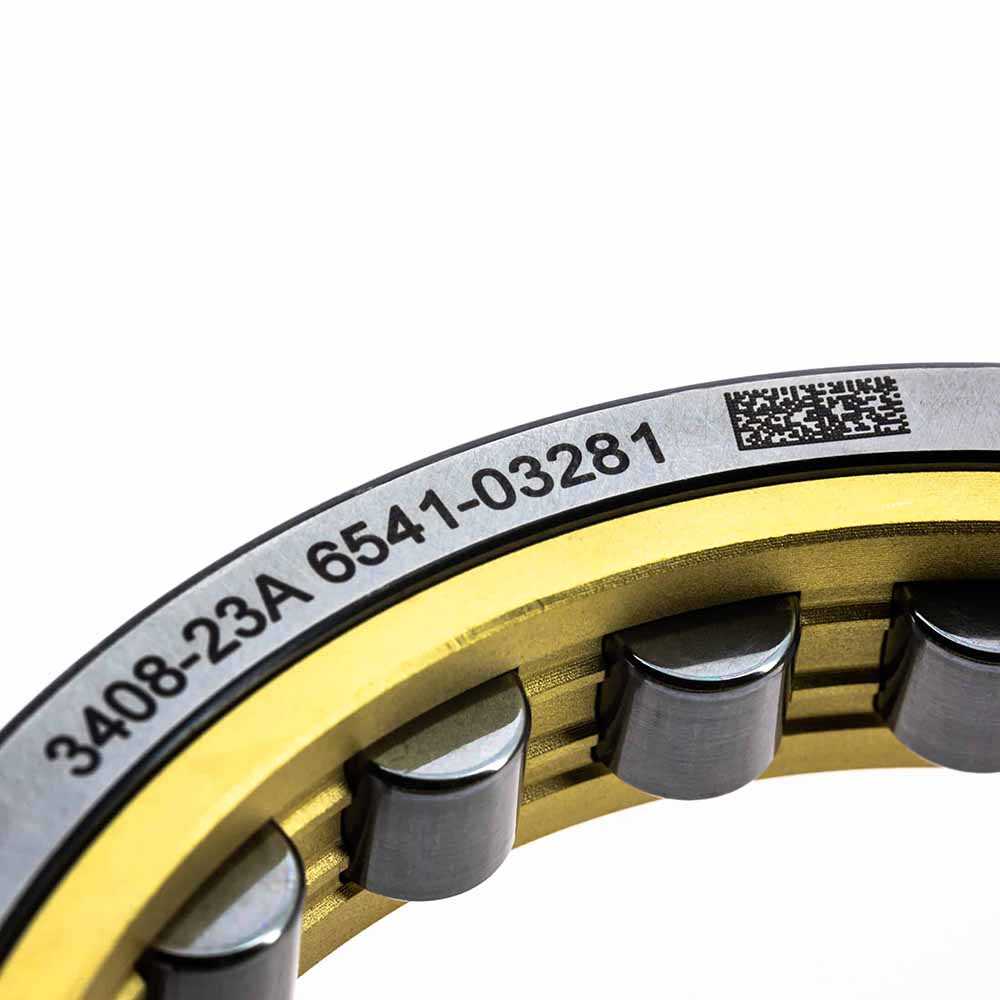
Each component can receive a distinct identifier, linked to production records.
The code can be used at several points in the flow to recognise the part and associate operations.
Industrial cameras can identify the symbols and send the data to production applications.
For DPM codes, the evaluation conditions are adapted to the surface characteristics and verification requirements.
Code placement is set against the manufacturing process, part geometry and scanning accessibility.
The 2D structure encodes a relatively large amount of information in a small area, important where the marking surface is limited.
SIC Marking | Automation software
Configuring and running marking operations according to the project parameters.
Using information from recipes, databases or compatible external systems.
Controlling and synchronising elements such as sensors and axes, in the available configurations.
Reducing some manual interventions and organising repetitive operations more efficiently.
Connecting the marking process to the control and production-management infrastructure, after evaluating the available interfaces.
Controlled data transmission limits the risk of selecting a wrong message or using outdated information.
Vehicle and automotive component identification
Solutions adapted to component geometry and material, with control of positioning and parameters.
Systems can be correlated with fixturing, handling and verification devices.
Character and parameter configuration follows the vehicle manufacturer’s technical requirements.
The VIN identifier can be associated in IT systems with the vehicle and manufacturing information.
SIC Marking technology in real industrial processes
Challenge: repeatable marking and reading of Data Matrix codes on several metal part references, in an automated flow.
Illustrated solution: integrating an XL-BOX laser station with a 2D reading system and connection to the installation PLC.
Relevance: marking and verification can be included in the same automated station.
Challenge: identifying several component types and verifying codes at various manufacturing and assembly stages.
Illustrated solution: laser equipment, reading cameras and scribing systems for engine identifiers, in a project documented by SIC Marking.
Relevance: the advantages of a complete traceability architecture with complementary technologies.
Challenge: identifying parts with different geometries or large sizes, in difficult-access conditions.
Illustrated solution: portable systems, modular stations and special positioning devices, selected for the application.
Relevance: the importance of configuring the solution around the part and the production flow.
Application-based technical consultancy
We analyse the material, hardness, thickness, finish and any surface treatments.
We determine whether alphanumeric characters, serials, Data Matrix codes, VIN identifiers or graphic elements are needed.
We assess the later handling, machining, storage and operating conditions.
We establish whether the part can be moved to a fixed station or needs a portable or integrated system.
We analyse the cycle time, production volume and synchronisation needs with the machines.
We check scanning requirements, code quality and the standards specific to the application.
We evaluate the link with PLCs, databases and ERP or MES systems, and the need to record results.
Do not choose the equipment before validating the application
Productivity and economic efficiency
The marking configuration, controller, fixtures and any accessories.
Energy, wear parts, maintenance operations and auxiliary consumables, where applicable.
The duration of each cycle and its impact on production capacity.
Time for positioning parts, selecting messages and checking the result.
The impact of illegible codes, wrong messages or the inability to identify a component.
Using the same solution within an automated process or for several product references.
The Imark Sistem recommendation
Technology partnership for industry
We analyse the material, part, code and production conditions to identify a suitable technology.
Access to specialised dot peen, scribing and laser technologies for industrial applications.
We assess connectivity with equipment, PLCs, handling systems and the software infrastructure.
We approach the project as a complete flow, including marking and code-recognition systems.
We support installation, operation and maintenance, within the available services and conditions.
We aim for identification solutions that not only work at installation but can support operational requirements over time.
Essential technical information
The process by which identification information is applied directly to a part’s surface, by methods that modify the material. Common technologies include dot peen, mechanical scribing and laser, for serials, batches, identifiers and Data Matrix codes.
Dot peen produces a series of dots through controlled impacts. Scribing uses a stylus that traces continuous lines, forming characters through grooves. Scribing is often preferred for deep marks and applications that require reduced noise.
For applications needing compact codes, fine detail, non-contact operation and integration with automated systems. The choice depends on material, required contrast and surface-modification requirements.
Yes. Stainless steel can be marked by several technologies, provided the configuration suits the material and application. For sensitive components or special durability requirements, the process must be validated.
Yes. Aluminium and certain alloys can be marked by dot peen, scribing or laser, depending on geometry and mark requirements.
Yes, certain plastics can be marked by dot peen or laser. Compatibility depends on rigidity, composition, thickness and the material’s behaviour during the process.
Depth depends on the technology, material type, equipment configuration and working parameters. For applications needing a precise depth, this must be verified by testing and measurement.
Yes. Compatible systems can create Data Matrix codes from dots placed under control. Reading and quality verification depend on the code geometry, material and optical system used.
Identification carried out directly on a part’s surface, without a separate label as the information carrier. The term is frequently used for components identified by laser, dot peen or other suitable technologies.
ISO/IEC 29158:2025 describes the methodology for assessing the quality of symbols marked directly on parts. Applying it requires verification equipment and appropriate parameters; standards and customer requirements are assessed per project.
Reading confirms that a device can decode the information from a symbol under certain conditions. Verification assesses the code quality against a defined methodology and parameters. A code that can be read is not automatically compliant with all quality requirements.
Yes. Portable systems allow marking directly on bulky components, provided there is access and the ability to fix the equipment correctly.
Yes. Industrial equipment can be configured to connect with PLCs, robotic systems and data-management applications, depending on the model and available interfaces.
Dot peen, scribing and laser do not need ink or ribbon. However, mechanical systems have wear components, and laser installations need maintenance and, in some applications, extraction and filtering.
VIN marking can use scribing or dot peen, with the equipment chosen by the manufacturer’s requirements and the characteristics of the marked structure.
By evaluating the material, part size, mark content, required depth, cycle time, reading requirements and integration mode. Imark Sistem can analyse this information and identify the relevant solutions.
Connected industrial solutions
Laser systems dedicated to coding compatible products and packaging, including on high-speed lines.
DiscoverSolutions for reading, capturing and transmitting information from industrial codes.
DiscoverTechnologies for controlling codes, identification and other product characteristics.
DiscoverData management and connecting identification systems with production processes.
DiscoverInkjet coding for applications where mechanical permanent marking is not required.
DiscoverMarking, coding and traceability applications adapted to industrial sectors.
DiscoverEvery permanent marking application has specific requirements. Material, geometry, depth and mark content directly influence the recommended technology and equipment. Send us a few details about your project — a photo, a sketch or a technical drawing helps us identify the requirements faster. Phone: +40 21 255 71 74.